


Paul Schwartz is a leading international expert on information privacy law. He is the Jefferson E. Peyser Professor at UC Berkeley School of Law and a Director of the Berkeley Center for Law and Technology.
Scholarship
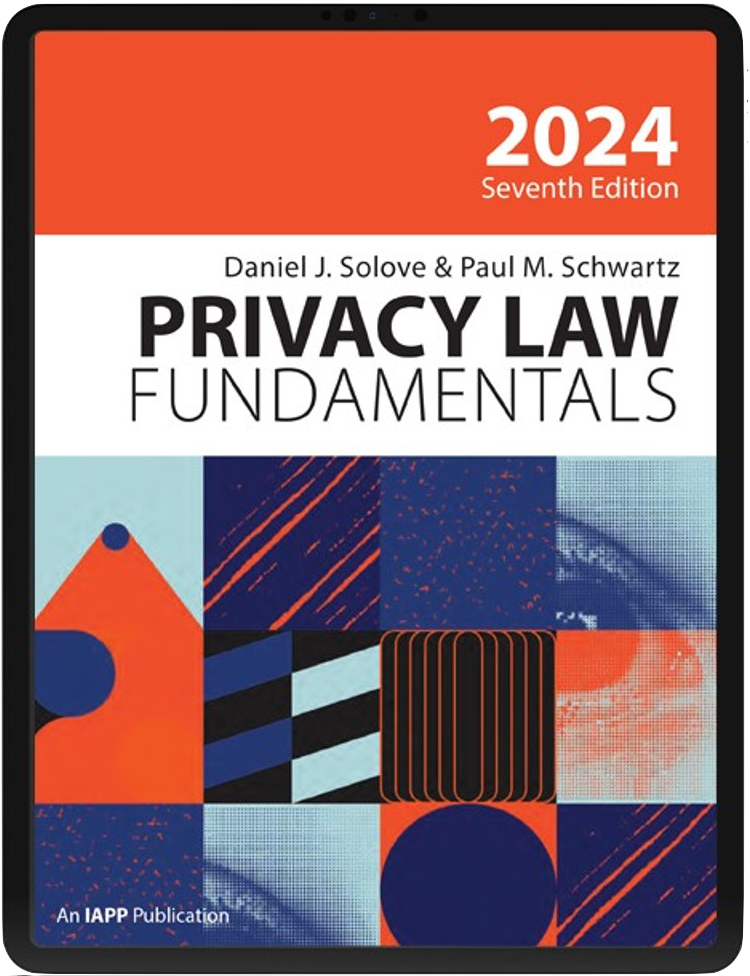
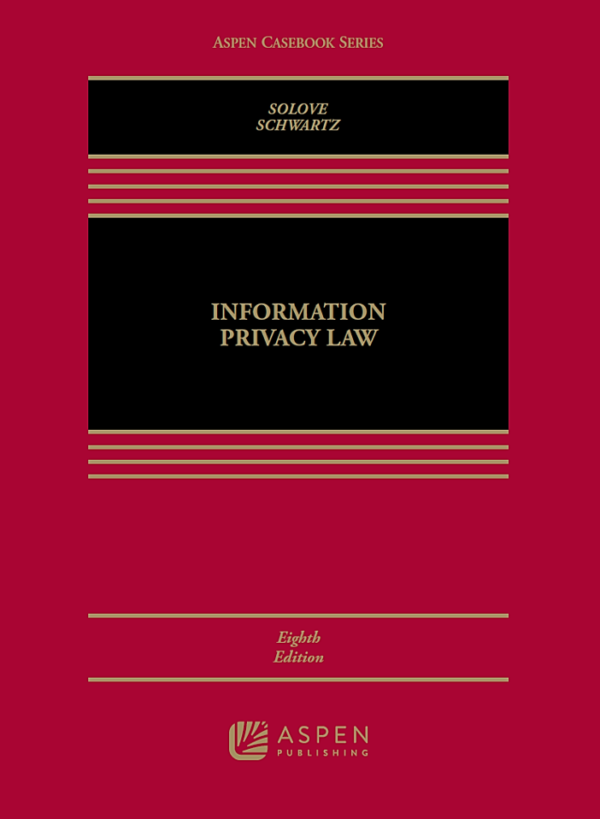
Schwartz is the author of many books, including the leading casebook, Information Privacy Law, and the distilled guide, Privacy Law Fundamentals, each with Daniel Solove. Information Privacy Law is used in courses at more than forty law schools. Schwartz’s over fifty articles have appeared in journals such as the Harvard Law Review, Yale Law Journal, Stanford Law Review, Columbia Law Review, and the University of Chicago Law Review. Fluent in German, he contributes to German legal reviews. Schwartz publishes on a wide array of topics including data analytics, telecommunications surveillance, data security breaches, health care privacy, privacy governance, data mining, financial privacy, European data privacy law, and comparative privacy law.
Activities
Schwartz has testified before Congress and served as an advisor to the Commission of the European Union and other international organizations. He assists numerous corporations and international organizations with regulatory, policy, and governance issues relating to information privacy. He is a frequent speaker at technology conferences and corporate events in the United States and abroad.
Schwartz was co-reporter of the American Law Institute’s pathbreaking Data Privacy Law Principles (2019). He is a past recipient of the Berlin Prize Fellowship at the American Academy in Berlin and a Research Fellowship at the German Marshall Fund in Brussels. Schwartz is also a recipient of grants from the Alexander von Humboldt Foundation, Fulbright Foundation, the German Academic Exchange, and the Harry Frank Guggenheim Foundation. He is one of the organizers of two leading conferences, the Privacy Law Salon and Privacy + Security Forum.
Schwartz belongs to the Editorial Boards of International Data Privacy Law, the International Journal of Law and Information Technology, and the Zeitschrift für Datenschutz (Data Protection Journal). Schwartz also serves on the Board of Directors of the Privacy Law Scholars Conference, the premier gathering of privacy scholars, researchers, and practitioners in the world. He is a graduate of Brown University and Yale Law School, where he served as a senior editor of the Yale Law Journal.